
CONSTIPATION: Feeling Bloated and Blocked Up? Discover Natural Foods and Simple Habits That May Help!

Constipation can make everyday life uncomfortable. From bloating and stomach discomfort to struggling when visiting the toilet, it is a common digestive complaint that affects people of different ages.
The good news is that certain dietary and lifestyle changes may help support normal bowel movements. So, what causes constipation, which natural foods may help, and when should you seek professional advice?
What Is Constipation?
Constipation occurs when bowel movements become less frequent than usual or when stools become hard, dry and difficult to pass.
Common signs include:
- Fewer than three bowel movements a week.
- Straining when using the toilet.
- Hard or lumpy stools.
- Bloating and stomach discomfort.
- Feeling that your bowels have not emptied completely.
What Causes Constipation?
Several factors may contribute, including:
- Not eating enough fibre.
- Drinking insufficient fluids.
- Lack of physical activity.
- Ignoring the urge to use the toilet.
- Changes in diet or daily routine.
- Certain medications and underlying health conditions.
If you suspect medication is causing constipation, speak to your pharmacist or GP rather than stopping it yourself.
7 Natural Foods That May Help

Your kitchen could be a good starting point for improving your fibre intake.
- Prunes: Contain fibre and sorbitol, which may help soften stools.
- Kiwi fruit: Provides fibre and has been studied for its potential benefits for bowel regularity.
- Pears: Contain fibre and natural sorbitol. Eat the skin too.
- Apples: Provide fibre, including pectin.
- Oats: A source of soluble fibre, making porridge a useful breakfast choice.
- Beans and lentils: Excellent sources of dietary fibre.
- Vegetables: Broccoli, carrots, peas and spinach can help increase daily fibre intake.
Increase fibre gradually to avoid unnecessary bloating and drink enough fluids.
Everyday Habits That May Help
Alongside a balanced diet, consider these simple habits:
- Drink enough water throughout the day.
- Walk regularly and avoid sitting for prolonged periods.
- Respond when you feel the urge to use the toilet.
- Establish a regular toilet routine.
- Try resting your feet on a small footstool when sitting on the toilet.
- Gradually increase your intake of wholegrains, fruit and vegetables.
Most adults should aim for around 30g of fibre daily.
What About Pharmacy Treatments?
If lifestyle changes are not enough, a pharmacist can explain suitable over-the-counter options, including different types of laxatives.
For professional pharmacy support, visit Pharmacy Online.
You can also speak to your GP about persistent or recurring constipation.
When Should You Seek Medical Advice?
Do not ignore persistent constipation, unexplained weight loss, blood in your stools or ongoing abdominal pain.
Seek urgent medical advice if you experience severe or worsening abdominal pain, vomiting, significant swelling or an inability to pass stools or wind.
For urgent guidance in the UK, contact NHS 111. In a medical emergency, call 999.
Final Thoughts
Constipation can be uncomfortable, but improving your fibre intake, drinking enough fluids and staying active may help support digestive health.
Natural foods are a useful starting point, but they are not guaranteed treatments. If symptoms persist, speak to your GP or pharmacist.
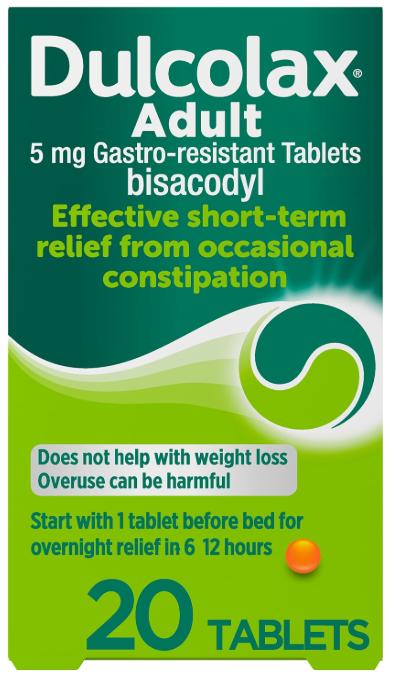
Take small steps towards better digestive health with Click4GoodHealth.co.uk.
Affiliate Disclosure
Some links in this article are affiliate links. Click4GoodHealth.co.uk may earn a commission if you purchase through them, at no additional cost to you. We only aim to feature relevant products and services.
Medical Disclaimer
This article is for general educational purposes only. It does not provide a medical diagnosis or replace professional medical advice, diagnosis or treatment. Always consult your GP, pharmacist or another appropriately qualified healthcare professional about health concerns or before starting medication or supplements. Never delay medical attention because of information on this website. Call 999 in a medical emergency.
Visit our Health Forums for More Discussions on Constipation
About The Author